Source Hybrid Car Options for Urban Commuting and Fleet Use
Explore 30 hybrid car listings featuring plug-in and pure electric variants. Compare specifications for models like the BYD Destroyer 05 and RAV4, noting drive types, braking systems, and body styles to find suitable vehicles for city commuting or fleet operations.
Key considerations
Products List


Luxury Electric Car Hybrid Vehicle High Speed Gray MID-Size SUV 5 Doors 7 Seats
$32000.00 - $45000.00
Moq: 1

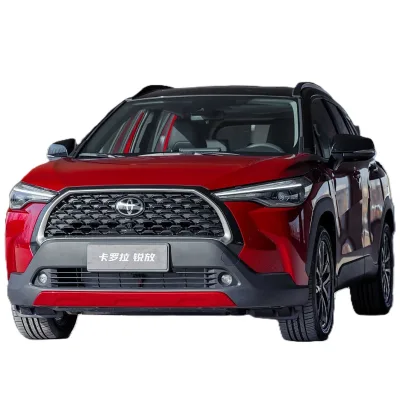


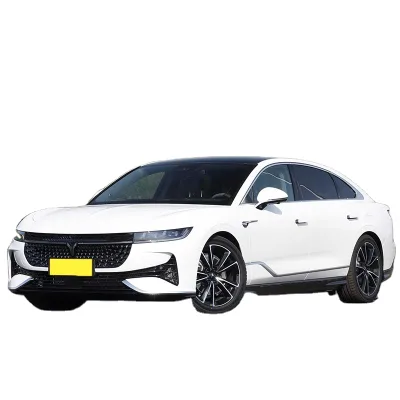


Comprehensive Sourcing Guide
Hybrid Car Sourcing Guide
Sourcing hybrid vehicles requires balancing traditional mechanical reliability with complex electrified powertrain integration. Buyers must navigate a diverse market where fuel efficiency meets performance, often selecting between plug-in and standard hybrid configurations. The decision hinges on operational needs, regulatory environments, and total cost of ownership. Understanding the specific drive types and energy sources available is critical for aligning procurement with fleet goals or resale strategies.
This guide focuses on verifying technical attributes, compliance documentation, and supplier capabilities. It addresses the nuances of sourcing from major manufacturing hubs, particularly China, where models like the BYD Destroyer 05 and Tang are prevalent. Procurement teams must prioritize verification of battery health, engine displacement, and braking systems to ensure long-term viability and safety.
Product Scope and Observed Listing Signals
The current market offers a wide array of hybrid options, ranging from sedans to SUVs, with varying powertrain configurations. Listings frequently highlight models such as the BYD Destroyer 05 2024 Honor DM-i 55KM Luxury and the BYD Tang, indicating a strong presence of plug-in hybrid electric vehicles (PHEVs). These vehicles often feature automatic gearboxes and specific displacement ranges, typically between 1000-1600CC or 1600-2500CC, catering to different performance tiers.
Observations also reveal a mix of new and used conditions, with some listings offering customization options. Drive configurations vary significantly, including front-wheel drive (FWD), all-wheel drive (AWD), and rear-wheel drive (RWD) setups. Buyers should note that exterior colors like gray, white, and silver are common, and body styles range from closed sedans to open SUVs, each impacting aerodynamics and utility.
Technical Specifications to Verify
Verifying the braking system is essential, as listings show mechanical, hydraulic, and electromagnetic variants. Each type offers distinct maintenance profiles and safety characteristics that must align with operational demands. Additionally, the drive system—whether FWD, AWD, or RWD—directly influences handling, traction, and fuel consumption. Buyers must confirm these attributes match the intended use case, whether for urban commuting or off-road capability.
Power output and acceleration metrics provide insight into vehicle performance. For instance, some models boast maximum speeds around 200-250 km/h and acceleration times near 7.9 seconds. Displacement and power ratings, such as 98HP or 171PS, help assess efficiency versus power. Buyers should also check tire specifications, like 225/60 R18, and body structure details, such as 5-door 5-seater configurations, to ensure suitability for passenger capacity and cargo needs.
Compliance and Safety Documentation
Documentation verification is paramount when importing vehicles, especially from regions like China. Buyers must ensure that products meet local safety and emissions standards, which may differ significantly from the origin country’s regulations. Certifications such as ISO management standards may be referenced, but specific vehicle compliance certificates are crucial for registration and insurance. Without proper documentation, vehicles may face customs delays or legal restrictions.
Safety features, including cruise control systems and advanced braking technologies, should be validated against regional safety mandates. Buyers should request detailed test reports and compliance certificates for each model variant. It is also important to verify that the vehicle’s energy type, whether hybrid or pure electric, aligns with local infrastructure and regulatory frameworks. Misalignment can lead to significant operational hurdles and increased costs.
Cost Drivers and Commercial Terms
Pricing in the hybrid vehicle market varies widely, influenced by model year, condition, and technological features. Observed price ranges span from affordable used units to premium new models, with some high-end specifications reaching substantial values. Buyers must account for additional costs such as shipping, insurance, and import duties. The method of packing, whether Roro, containerized, or naked, also impacts logistics expenses and vehicle protection during transit.
Minimum order quantities (MOQ) and lead times are critical commercial terms. Listings indicate MOQs as low as one unit, facilitating flexible procurement for small fleets or individual buyers. However, larger orders may offer better pricing tiers. Buyers should negotiate clear terms regarding payment schedules, warranty coverage, and after-sales support. Understanding these financial dynamics helps in budgeting accurately and avoiding hidden costs that can erode profit margins.
Supplier Qualification and Quality Control
Selecting a reliable supplier involves rigorous due diligence to mitigate risks associated with vehicle quality and delivery. Buyers should verify the supplier’s track record, production capacity, and quality control processes. Suppliers offering customization options may provide tailored solutions, but this requires clear communication of specifications to avoid discrepancies. It is advisable to request samples or conduct virtual inspections before committing to large orders.
Quality control measures should include pre-shipment inspections to verify vehicle condition, mileage, and functionality. Buyers must ensure that the supplier provides comprehensive documentation, including service histories for used vehicles and manufacturing certificates for new ones. Establishing a clear communication channel with the supplier helps in addressing issues promptly. Building a long-term relationship with a qualified supplier can lead to better pricing and priority service.
Long-Term Procurement Checks
Long-term success in hybrid vehicle procurement depends on ongoing monitoring of vehicle performance and supplier reliability. Buyers should establish metrics for fuel efficiency, maintenance costs, and battery degradation to assess total cost of ownership. Regular audits of supplier performance, including delivery times and product consistency, help maintain supply chain stability. Feedback loops with end-users can provide valuable insights into vehicle suitability and potential improvements.
Staying updated on regulatory changes and technological advancements is crucial for future procurement decisions. Buyers should evaluate the availability of spare parts and service networks in their region to ensure long-term support. Additionally, considering the resale value and market demand for specific hybrid models can inform strategic inventory management. Continuous engagement with industry trends ensures that procurement strategies remain competitive and aligned with evolving market needs.
FAQs
What hybrid car models are available with automatic gearboxes?
Several hybrid models feature automatic gearboxes, including the BYD Destroyer 05 and Corolla variants. These vehicles offer seamless driving experiences with displacement ranging from 1000 to 2500cc. Buyers can find options in both sedan and SUV body styles depending on specific needs.
Can I find new hybrid cars with ISO certification?
Yes, new hybrid cars with ISO certification are available in the current listings. These vehicles often come with specific management certifications ensuring quality standards. Buyers should verify the exact certification details for each model to ensure compliance with their regional requirements.
Which hybrid cars offer customization options for buyers?
Customization is available for several hybrid car models listed in the current inventory. Buyers can request specific exterior colors like gray, white, or silver. This flexibility allows purchasers to tailor the vehicle appearance to their personal preferences or corporate branding needs.
How do I source hybrid cars with specific packing methods?
You can source hybrid cars with various packing methods such as Roro shipping or container transport. Some units are shipped naked for specific logistics needs. Selecting the right packing method depends on your shipping route and the volume of vehicles you intend to import.
What are the typical dimensions for hybrid SUV models?
Hybrid SUV models typically have dimensions around 4750mm in length, 1921mm in width, and 1624mm in height. Other models may vary slightly, such as those measuring 4870mm by 1950mm. These sizes accommodate five-door, five-seater configurations suitable for family or commercial use.
Can I find hybrid cars with left-hand steering?
Yes, hybrid cars with left-hand steering are available in the current product listings. This configuration is standard for many models including the BYD Destroyer 05 and Corolla Elite Edition. Buyers targeting markets requiring left-hand drive will find these options readily accessible.
What is the maximum speed for the listed hybrid vehicles?
The maximum speed for the listed hybrid vehicles ranges up to 250 km/h depending on the specific model. Some models reach 217 km/h while others achieve 200 km/h. These performance figures indicate that the fleet includes both standard and high-performance hybrid options.